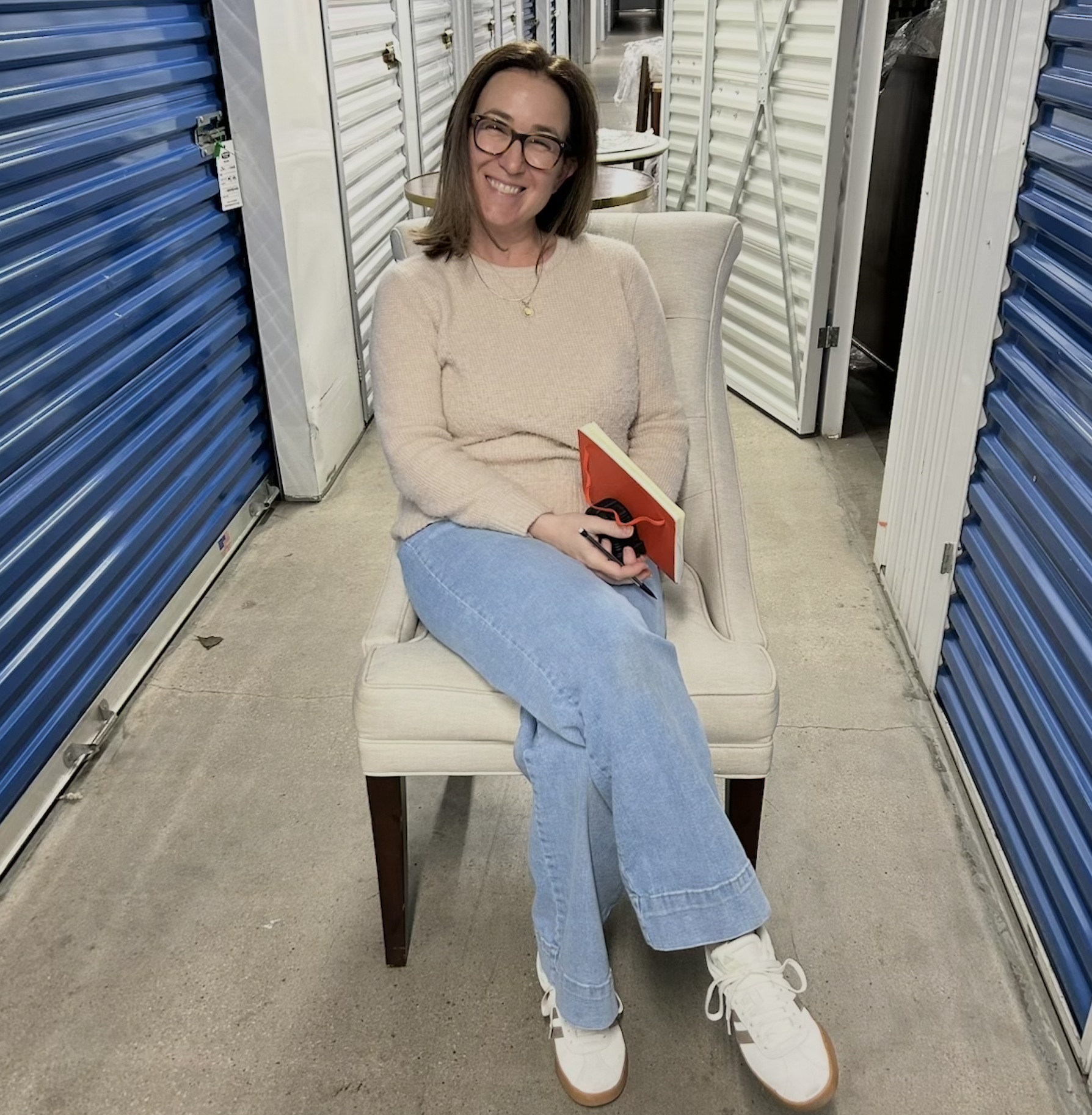
Storage Wars
Should I Pay for a Storage Unit to Sell My Furniture for a Higher Price?
Short answer: sometimes.
Long answer: only if the math actually maths.
We do our best selling if there’s no ticking clock. When you’re not racing against a move or when the new dining table isn’t already in your garage, we can price items higher and give time for the right buyer to show up. If your goal is to recoup some of the original value of a piece, time and space are your best friends.
But—and this is a big but—paying to store furniture only makes sense if the numbers work in your favor.
GoneGirls are experts in Girl Math.
Return a sweater? You made money.
Buy two lip glosses to get free shipping? Basically an investment portfolio.
That said, we can give real financial advice when it comes to deciding whether to store furniture or sell it for less now.
What Not to Store
Most furniture from big box stores.
West Elm, Crate & Barrel, Restoration Hardware—great pieces! We sell them all the time. But these items usually cap out at lower resale prices, which means paying monthly storage fees often eats up any profit you’re hoping to make.
Also skip storing:
Items that need repairs
Pieces that need reupholstering
These items aren’t worth storing. Sometimes they aren’t even worth selling. (We say this with love.)
What Is Worth Storing
Fine furniture from luxury brands—think Holly Hunt, George Smith, Baker.
Also worth the wait:
One-of-a-kind pieces
Fine antiques
Furniture from specialized craftsmen like Wūd or vintage Knoll
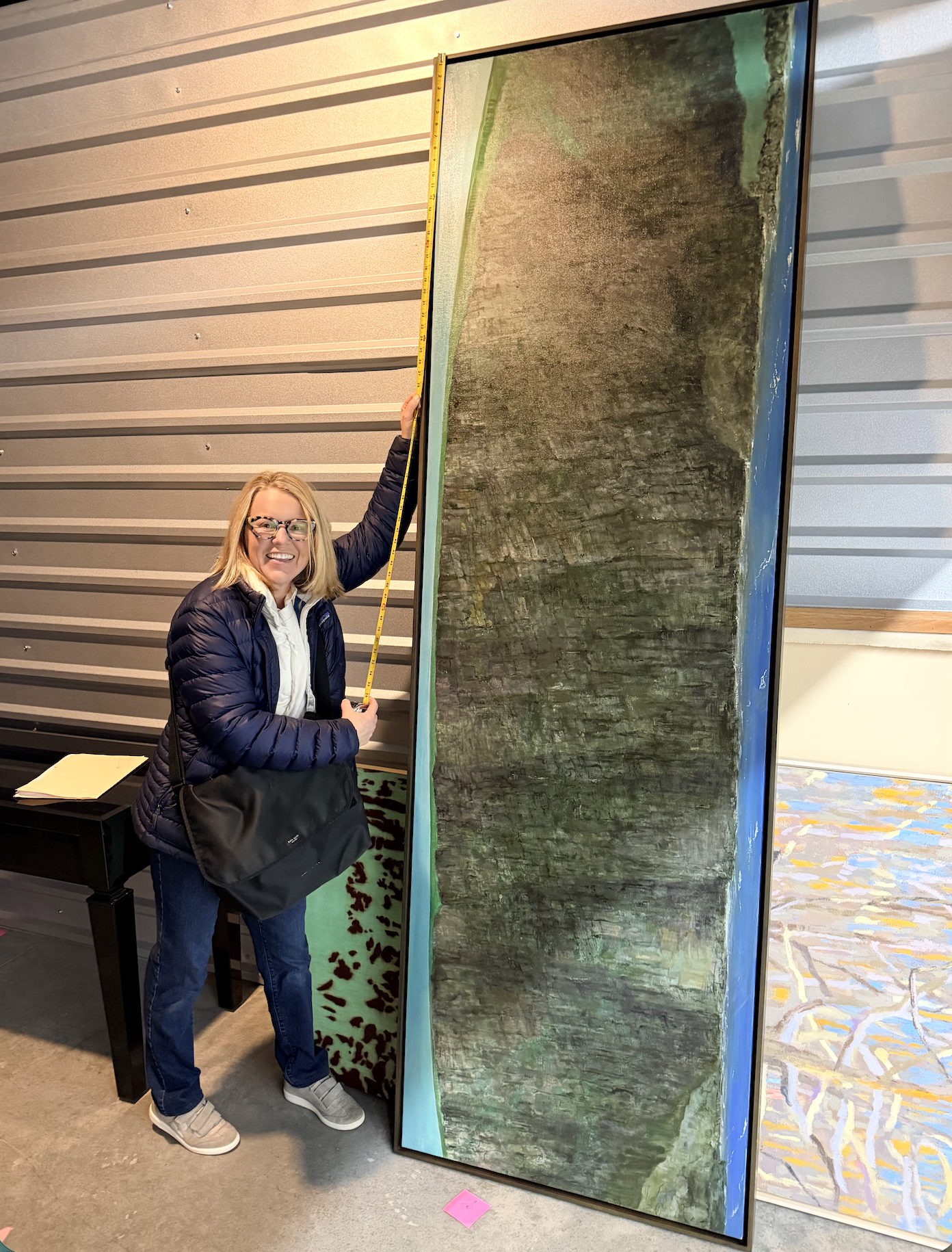
Fine art
These items attract buyers who are willing to pay more—and willing to wait—making storage a smarter investment.
A Final Word on Storage Units
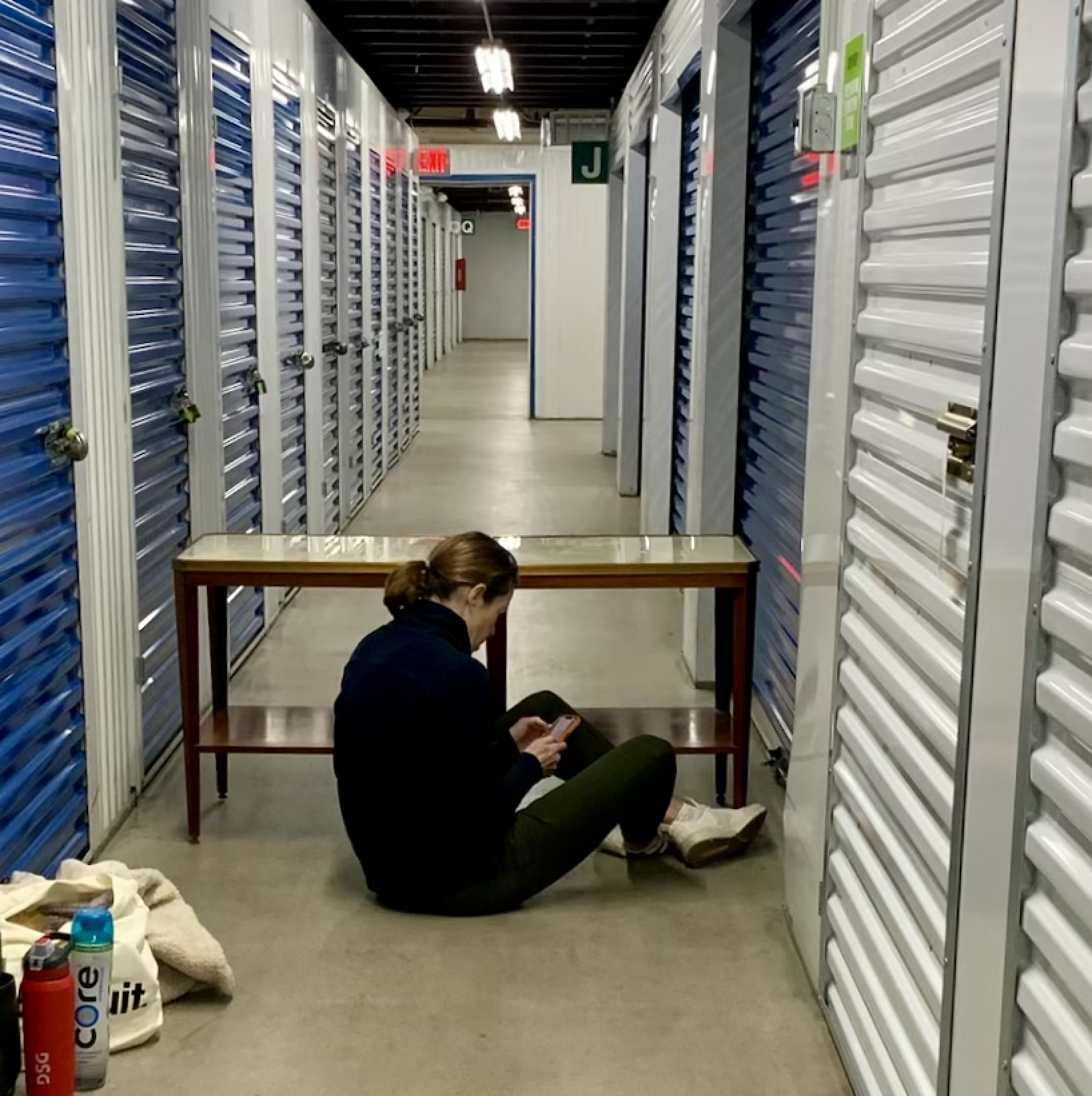
If you already have a storage unit, we’re happy to sell from it. But you don’t want to lose your shirt trying to sell your sofa.
Don’t pay storage fees for furniture that won’t pay you back.
Always use climate-controlled storage. Upholstery and wood are sensitive—even more sensitive than a hungry Kate or Paula.